Public work does not give you lien rights. If you supply labor or materials to a state DOT, a city school, a federal courthouse, or even a county library, you cannot file a mechanic’s lien against publicly owned property. The safety net is different. You get a statutory right to be paid through a payment bond posted by the prime contractor. That bond is only as protective as your timing. Miss the notice window by a day, and a clean, collectible claim evaporates.
I have walked too many subcontractors and suppliers through expensive cleanups after a missed date. The rules are not hard, but they are unforgiving, and they vary by project type and jurisdiction. If you want predictable cash flow on public jobs, build muscle memory around the calendar. Treat each trigger date with the same care you give to bid day.
How payment bonds fit into the job
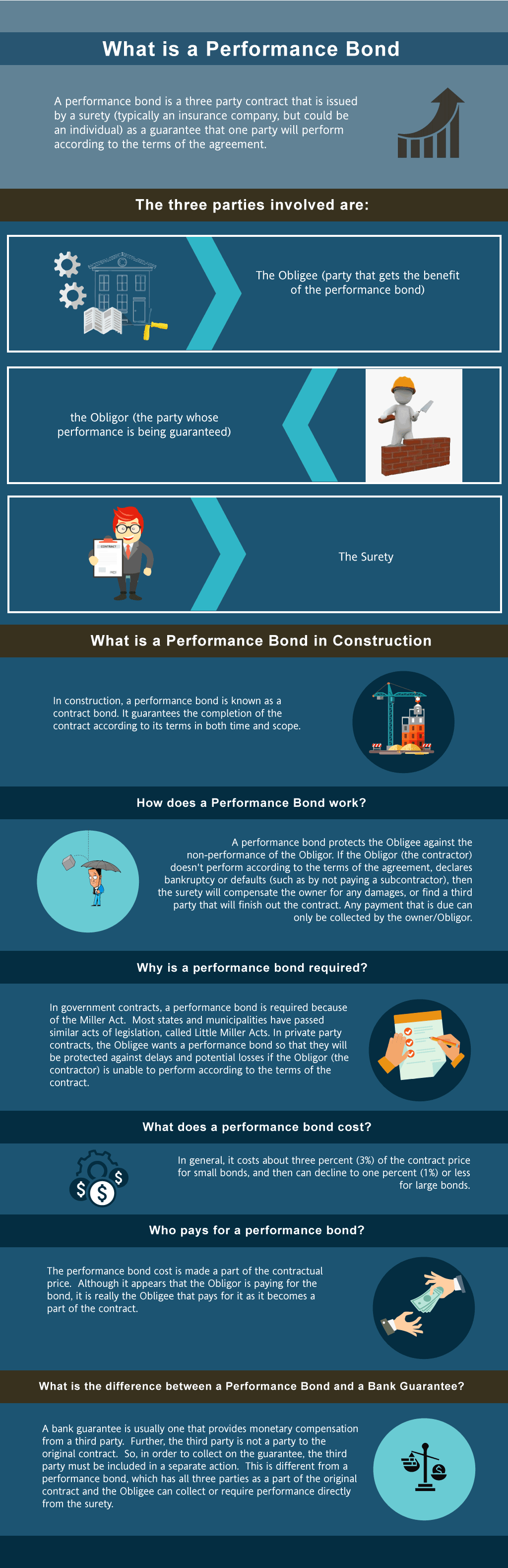
A payment bond swiftbonds is a three‑party instrument. The principal, usually the prime contractor, promises to pay those furnishing labor and materials on the project. The surety guarantees the promise. The obligee, typically the public owner, requires the bond as a condition of award. The bond protects lower‑tier participants because they cannot lien public improvements.
On federal projects, the Miller Act sets the floor. Most states have “Little Miller Acts” that mirror or tweak the federal scheme for state and local projects. Private owners sometimes require bonds too, especially on large P3s or when lenders insist. Each category carries different notice rules and deadlines, which means you cannot reuse a template or timeline blindly.
The payment bond claim process is not litigation by default. It starts with a written claim to the principal and the surety, often preceded by a statutory notice. If you comply with the notice and timing requirements, most sureties will investigate and, where liability is clear, pay without a lawsuit. If the surety denies or stalls, you have a statutory window to file suit on the bond.
The universal principle: count from your last furnishing, not the invoice date
Across jurisdictions, deadlines usually run from your last day of furnishing labor or materials to the bonded project. Not the billing date, not when your crew pulled off for a week, and not warranty or punch‑list calls. Courts look at substantive, contract‑required work that advances completion.
A caution from a wastewater plant job illustrates the point. A supplier shipped ductile iron pipe in June. In late August, after the contractor complained about a missing cap, the supplier sent a $40 part. The supplier tried to count notice time from the August shipment. The surety pushed back, and a court agreed the cap was a trivial, after‑the‑fact item that did not extend the last furnishing. The supplier lost a six‑figure claim over a 60‑day miscount. The lesson: document true last work, and do not assume small replacements restart the clock.
Federal projects: the Miller Act framework
If the contract exceeds $150,000 on a federal project, the Miller Act requires a payment bond. The Act gives different rights to first‑tier claimants, like subcontractors who contract directly with the prime, and to lower‑tier claimants, like suppliers to a sub.
- First‑tier claimants do not need a preliminary notice, but they still must meet the suit deadline. Second‑tier claimants and below must send a written notice to the prime contractor within 90 days after they last furnished labor or material for which they claim payment. The notice does not need a specific form, but it must state with substantial accuracy the amount claimed and the name of the party to whom the materials or labor were furnished. Send it to the prime’s place of business or any place where the prime maintains an office or conducts business, and serve it in a manner that can be proved.
Suing on the bond carries its own window. You must wait at least 90 days after last furnishing, and you must file suit no later than one year after last furnishing. Many misunderstand that “one year from last furnishing” period and accidentally measure from the invoice date or from partial payments. Do not. If your crew demobilized on April 2, next April 2 is your outer limit.
A second example shows why this matters. A drywall sub on a federal courthouse sent a timely 90‑day notice to the prime but continued sending change order RFIs. Payment stalled. The sub assumed the back‑and‑forth tolled the one‑year deadline. It did not. The surety denied the claim once the one year lapsed, and the court tossed the suit as untimely. Negotiations do not pause the statute. If you are hitting month eleven with no resolution, file to preserve your rights, even if everyone says a check is coming.
State and local projects: fifty flavors of “Little Miller”
States copy the Miller Act in spirit, then change the details. Some compress the notice periods; some expand protected tiers or exclude suppliers to suppliers. A few states require a preliminary notice at the start of work, not just a 90‑day post‑performance notice. You cannot assume the federal rules apply.
A few patterns repeat:
- In many states, first‑tier subs have direct rights against the bond with no preliminary notice requirement, while second‑tier claimants must deliver a notice within 90 days after last furnishing. But “90” is not universal. You will see 45, 60, or 120 in several statutes. Some states, like Texas for certain local jobs, require early monthly notices keyed to the month of unpaid labor or materials, similar to private lien notices. Miss a month, and that month’s claim dies even if other months survive. Several states impose a short window to file suit after the surety denies or after final completion, separate from the last‑furnishing date.
Because the details shift, seasoned contractors collect three documents at award: a copy of the bond, the prime contract’s bond requirements, and a citation to the governing statute. Those three items settle almost every deadline argument before it starts.
Private projects with payment bonds
On private jobs, the bond is a contract. The bond form, often an AIA A312 or a custom surety form, sets its own notice and claim requirements. Some private bonds adopt lien‑like notice rules; others mirror the Miller Act; a few add prerequisites like mediation. The trap is assuming a private payment bond gives you the same protections as public statutes. It may be narrower. I have seen bespoke bonds that limited claims to subs with signed subcontracts, leaving suppliers to suppliers outside the bond unless the prime expressly approved them.
Treat private payment bonds as you would any contract. swiftbonds interest rates Read the notice clauses, the time bars, the defined terms for “Claim,” “Work,” and “Default,” and any preconditions. Calendar dates as soon as you sign your subcontract, not when a dispute starts.
What counts as proper notice
Writing matters. So do recipients and delivery. Statutes often allow any writing that states the amount claimed and the party for whom work was performed. Still, ambiguous letters cause fights. A one‑page notice that includes your company name, the project name and number, the prime contractor’s name, the name of the party you contracted with, a brief description of labor or materials furnished, the last date of furnishing, the unpaid amount, and a request for payment under the payment bond will satisfy almost any standard. Keep it simple and factual.
Delivery requirements range from personal service to certified mail. Some states accept email only if the prime consents in the contract. If the statute specifies certified mail, use it, and keep proof of delivery. Send the same package to the surety once you have the bond, even if the statute focuses notice on the prime. Sureties move faster when they see the claim early.
A nuance worth noting: describing the amount “with substantial accuracy” does not mean you must lock in a final number on day 90. Courts generally allow good‑faith estimates that later adjust. If you are waiting on buyout of a change order, state the base claim and identify additional amounts as pending. What sinks claims is silence, not rounding errors.
How to build a deadline‑proof workflow
Teams that hit every date do not rely on memory. They build the calendar at contract award and automate the reminders. The trigger events are always the same: first furnishing, each delivery month if monthly notices are required, last substantive furnishing, and any statutory suit deadlines. Tie each to a date in your system, not to a person’s inbox.
The best workflows make the field responsible for documenting last furnishing and the office responsible for sending notice. Foremen record demobilization dates and any return visits in the daily reports, with photos. Project administrators pull those reports weekly and update the notice calendar. Claims administrators send preliminary and 90‑day notices on a set weekday, with certified mail and electronic copies. When cash is tight, these rhythms feel like overhead. When a prime goes silent or a sub fails, you will be grateful you built them.
Special cases that skew the clock
Partial deliveries and stored materials on site can muddle “last furnishing.” If your contract allows payment for stored materials and you staged a large order on site, courts usually treat the delivery date as furnishing, even if installation happens later. If you shipped in waves, each shipment’s last date can reset the clock for that shipment’s price. That helps, but do not gamble on a tiny final shipment to extend the entire claim. A bunch of $50 releases to push a 90‑day window look like manipulation.
Change directives and time‑and‑materials callouts also confuse teams. If a change is within your scope and you perform it after your base work, that date becomes your last furnishing. If the change is outside your subcontract but you perform it under a signed change order, you are still furnishing under your contract. Tread carefully with unpaid, disputed change work. Document authorization in writing before counting on it to rescue a deadline.
Retainage and punch list do not extend last furnishing. Warranty calls never do. Court after court says the claim window runs from substantial work, not from fixing a door hinge in month eleven. Plan your notices off the big milestones, not the tail.
The cost of missing a date
Sureties are not your enemy, but they are not your advocate. They evaluate claims against the bond language and governing statute. If your notice is late, they will deny on that ground alone, even if the underlying debt is undisputed. That denial shifts you into direct litigation against an upstream party, often with weaker leverage. You lose the surety’s solvent pocket and the statutory fee and interest provisions some acts provide.
Even a narrow miss hurts. On a city school project, a supplier shipped the last three rooftop units on March 3 and sent a notice on June 2, assuming 90 days meant three 30‑day months. It does not. Count calendar days, not months. Ninety days from March 3 landed on June 1 that year. The notice arrived one day late, and the bond claim failed. That shop carried $280,000 for nearly a year before hammering out a negotiated discount with the sub’s lender. That single date error cost about $60,000.
What sureties expect once you give notice
Good notices start the process. Once the surety opens a file, you will be asked for the subcontract or purchase order, change orders, delivery tickets, certified payroll if applicable, invoices, statements of account, and proof of last furnishing. Expect questions about backcharges, pay‑ifs or pay‑whens, paid‑if‑paid enforcement under applicable state law, and whether your upstream party has defenses. Respond promptly and keep the story clean. Sureties pay faster when they see contemporaneous documents rather than reconstructed narratives.
If the surety asks you to sign a broad release as a condition of partial payment, read it. Strike language that goes beyond the amount paid. Industry‑standard conditional and unconditional waiver forms exist for a reason. You can accept progress money without giving up unresolved claims.
Common myths that create risk
- Sending a demand letter equals statutory notice. It might not. Demand letters that do not identify the bond or do not hit the statutory elements can be ignored. Write to the statute. Ongoing negotiations stop the clock. They do not. Calendar the suit date and file if needed to preserve rights. Payment bonds cover anyone who touched the job. Not quite. Suppliers to suppliers are excluded in many states. Rental houses have special rules on off‑rent equipment. Hauling and trucking can be covered or not, depending on whether the work is integral to the improvement. Verify your tier and coverage on day one. Final pay applications extend last furnishing. They do not. The paperwork follows the work, not the other way around. The owner will force the prime to pay. Owners sometimes nudge, but they are not parties to your claim. The bond is your tool, not owner pressure.
Jurisdiction snapshots and why the citation matters
It would take a book to chart every state’s statute, but a few contrasts illustrate why you need the actual citation, not memory. California requires a 20‑day preliminary notice on most public jobs, and it protects second‑tier claimants who send that early notice, not a 90‑day post‑work letter. Florida has a 45‑day preliminary notice period for those without direct privity to the contractor, plus a 90‑day notice of nonpayment after last furnishing, and then a one‑year suit deadline. Texas local public works tie notice to monthly statements, and missing a month can be fatal for that month’s portion of the claim. New York allows claims from anyone who furnished with the contractor’s consent, but the claimant must file a verified notice of claim with the public owner in addition to the bond notice in many municipal contexts.
These differences are not trivia. They decide who gets paid. Before your first shipment or mobilization, ask for the bond, read the statute, and, if you do not live in that state’s rules, call counsel or a knowledgeable surety broker for a quick read‑through. Ten minutes up front saves months later.
Contract clauses that interact with bond rights
Subcontracts often include pay‑when‑paid or pay‑if‑paid language, waiver clauses, dispute resolution steps, and choice of law provisions. Some states invalidate paid‑if‑paid as to payment bond claims on public policy grounds. Others enforce them. A bond does not always neutralize these clauses.
Choice of law and venue provisions matter too. A bond suit might need to be filed where the project sits, even if your subcontract says disputes go elsewhere. The Miller Act requires suit in the district where the project is located. Private bond forms may fix venue as well. Align your litigation plan with those constraints before you get to month eleven.
Evidence beats memory when time runs short
When deadlines loom, a clean set of documents persuades sureties and judges. Time stamps on delivery tickets, GPS‑tagged photos of installation, signed daily reports, and correspondence confirming authorization for extra work form a reliable chain. Make it standard practice to capture:
- The exact date and nature of last substantive furnishing, with photos and a supervisor’s note. Copies of all notices sent, with proof of delivery, recipients, and addresses taken from the bond and prime’s letterhead.
Two items, one list left in the article by design, will prevent almost every timing dispute I see. If the proof sits in a shared drive and not in someone’s phone, you can move quickly when needed.
Practical playbooks for three common roles
If you are a first‑tier subcontractor on a federal project, you do not need the 90‑day notice, but you do need to track your last furnishing and the one‑year suit deadline. Send an early claim letter to the surety anyway when payment drifts past 60 days, attaching your subcontract, change orders, pay apps, and delivery proofs. It is the fastest way to provoke a response upstream, and it frames the record if you must sue.
If you are a second‑tier supplier on a state school project, confirm the state’s notice mechanics at purchase order. If a 20‑day preliminary is required, send it on day 10. If a 90‑day post‑work notice applies, count from the last substantive delivery. Do not rely on a tail shipment to stretch the date. Send your notice by certified mail to the prime at the address in the bond, copy the surety claims email if provided on the bond, and keep the green card or tracking confirmation.
If you are a rental company on a city street job, keep clean on‑rent and off‑rent logs signed by the site superintendent. Courts generally treat rented equipment as furnished when on site and available for use. Off‑rent ends your furnishing. Do not guess at dates. The log entries will decide your deadline.
What to do when you discover a miss
If you think you missed a statutory notice date, do not bury it. Send the notice anyway. Some bond forms are broader than the statute and accept late claims contractually. Even when the surety denies, your early communication can help leverage a workout with the upstream party. Then adjust your internal system. Figure out where the miss occurred. Was it an unclear last‑furnishing date, a staff change, or a jurisdiction you misread? Fix the root cause, not just the symptom.
If the miss involves the suit deadline, move fast to confirm dates with counsel. Calendar math can be nuanced when holidays or nonbusiness days intervene, and there are rare tolling arguments in cases of fraud or concealment. Those arguments are steep hills, but they are better made before you concede.
Rate impacts and why sureties care about your process
Surety underwriters price risk. A company with disciplined claim prevention and clean documentation gets better rates and easier access to bonds. If you are a prime, you owe it to your future bonding capacity to keep subs paid and to manage change orders promptly. A stack of small bond claims against your projects tells an underwriter you have a process problem.
If you are a sub or supplier, demonstrating that you send timely bond notices when needed is not a sign of hostility. It is a sign of competence. Most primes respect businesslike protection of rights, especially when the notice is factual and measured, not accusatory. The quiet pros mail notices on time, then pick up the phone to resolve the account.
A mental checklist before every pay cycle
Before you close the month on a bonded job, ask yourself three questions. Did we furnish in this period? If yes, did we send any required preliminary or monthly notices? If we demobilized, did we capture the last furnishing date in writing with photos? If you can answer yes to those in real time, the larger emergencies never arise.
Payment bonds stand between you and an unpaid receivable when lien rights are off the table. They work best for those who respect the calendar. Mark the dates at contract award, keep your records sharp, and treat the final day to send notice or file suit as sacred. Missed deadlines feel small until they cost six figures. Protect your company with the same discipline you bring to the work itself.